01 · The challenge
How to deliver useful infrastructure when funding, logistics, and stakeholder alignment are all constraints?
I carried projects from needs assessment and feasibility through fundraising, supplier coordination, field execution, site monitoring, and community handoff while aligning sponsors, volunteers, and local partners.
Assess needs with local stakeholders, identify constraints, and agree on an achievable delivery plan.
Build sponsor support, raise funds, coordinate volunteers, and source materials and services.
Manage suppliers, logistics, and issue resolution with local partners.
Transfer completed infrastructure to the school community and gather feedback on usability and ongoing use.
02 · Jumla · Mobilize support
Turn a local need into a fundable, executable project.
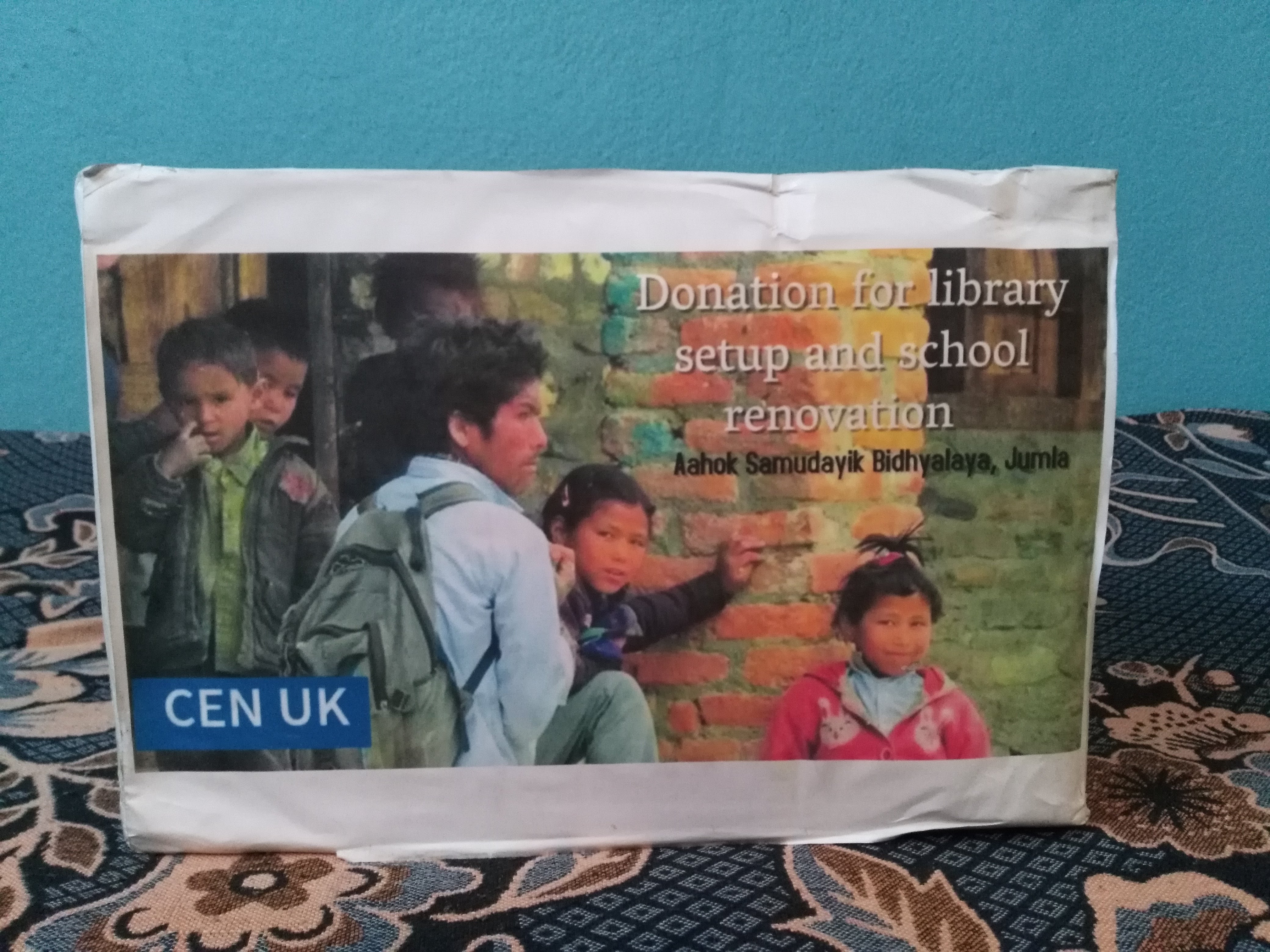
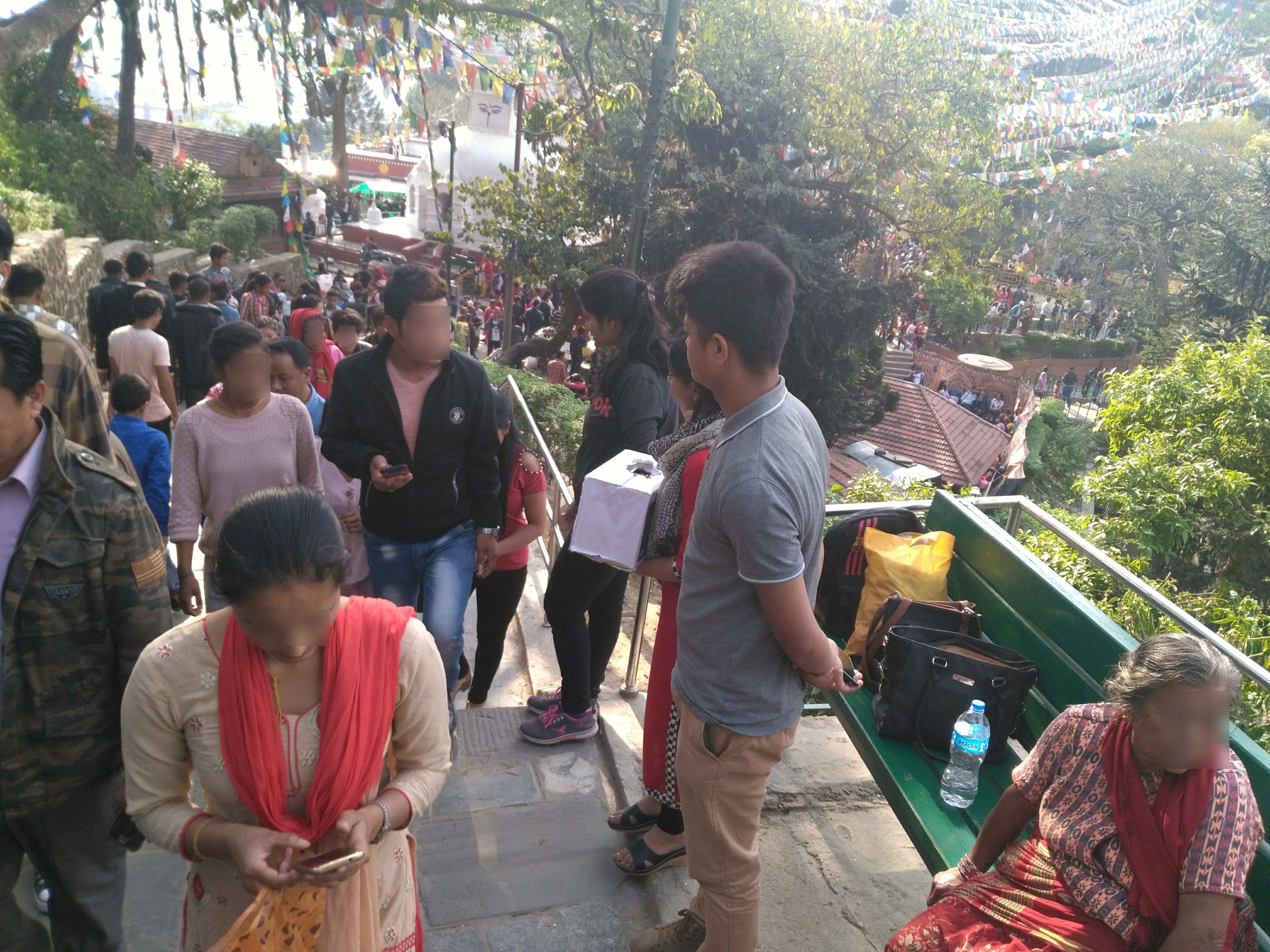
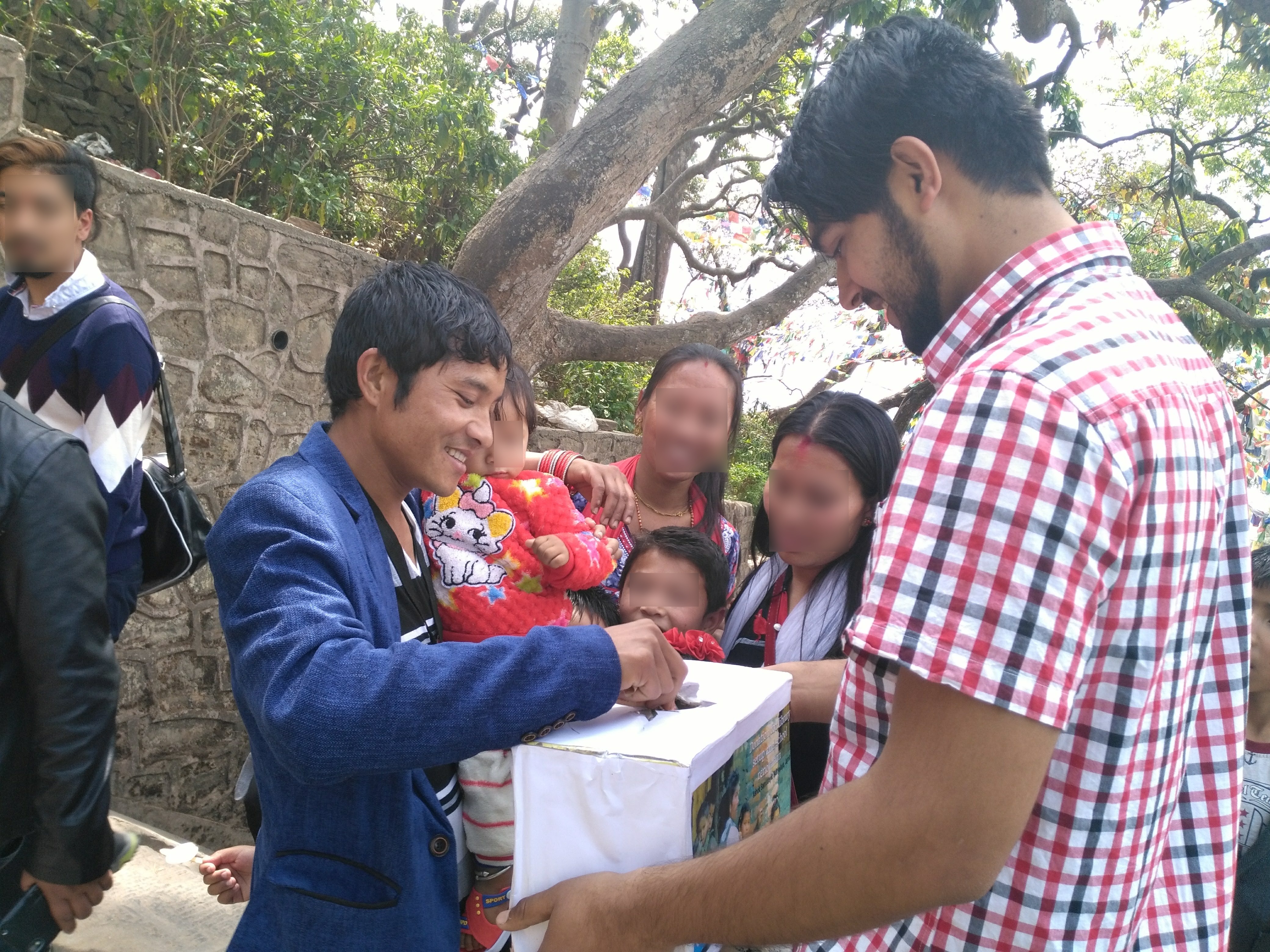
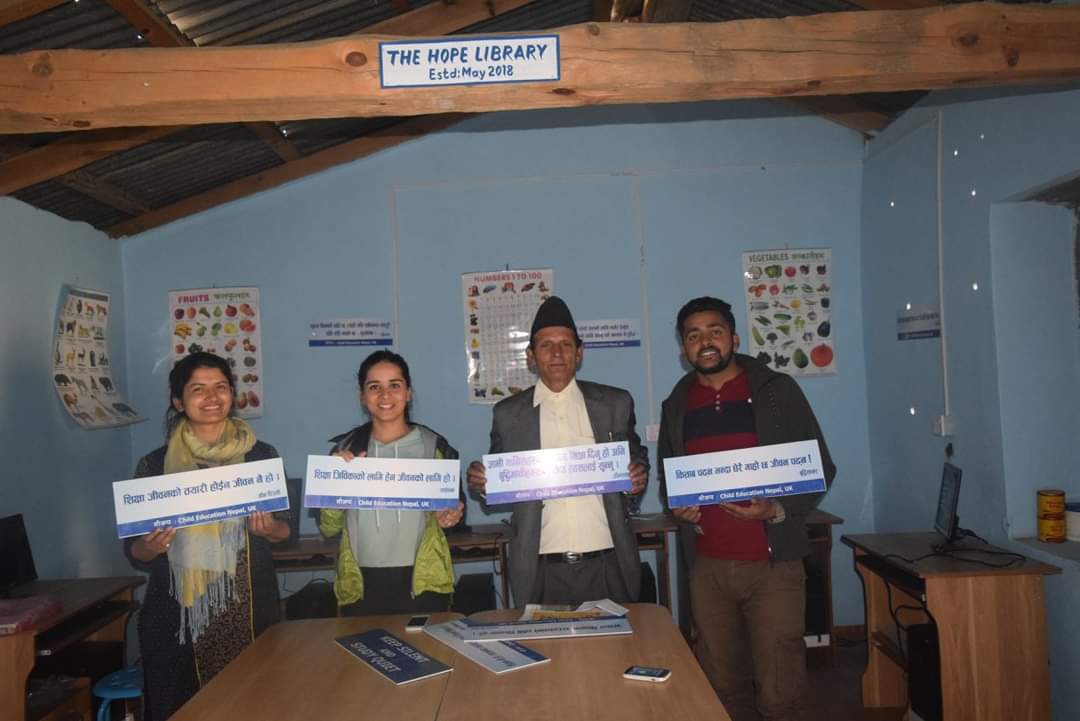
In Jumla, I led four community initiatives: school renovation, library establishment, health camp, and Rara cleanliness campaign. I built sponsor support, raised $4K locally, and coordinated 15 sponsors and 50 volunteers from planning through community handoff.
03 · Rasuwa · Execute in the field
Make delivery progress visible through concrete milestones.
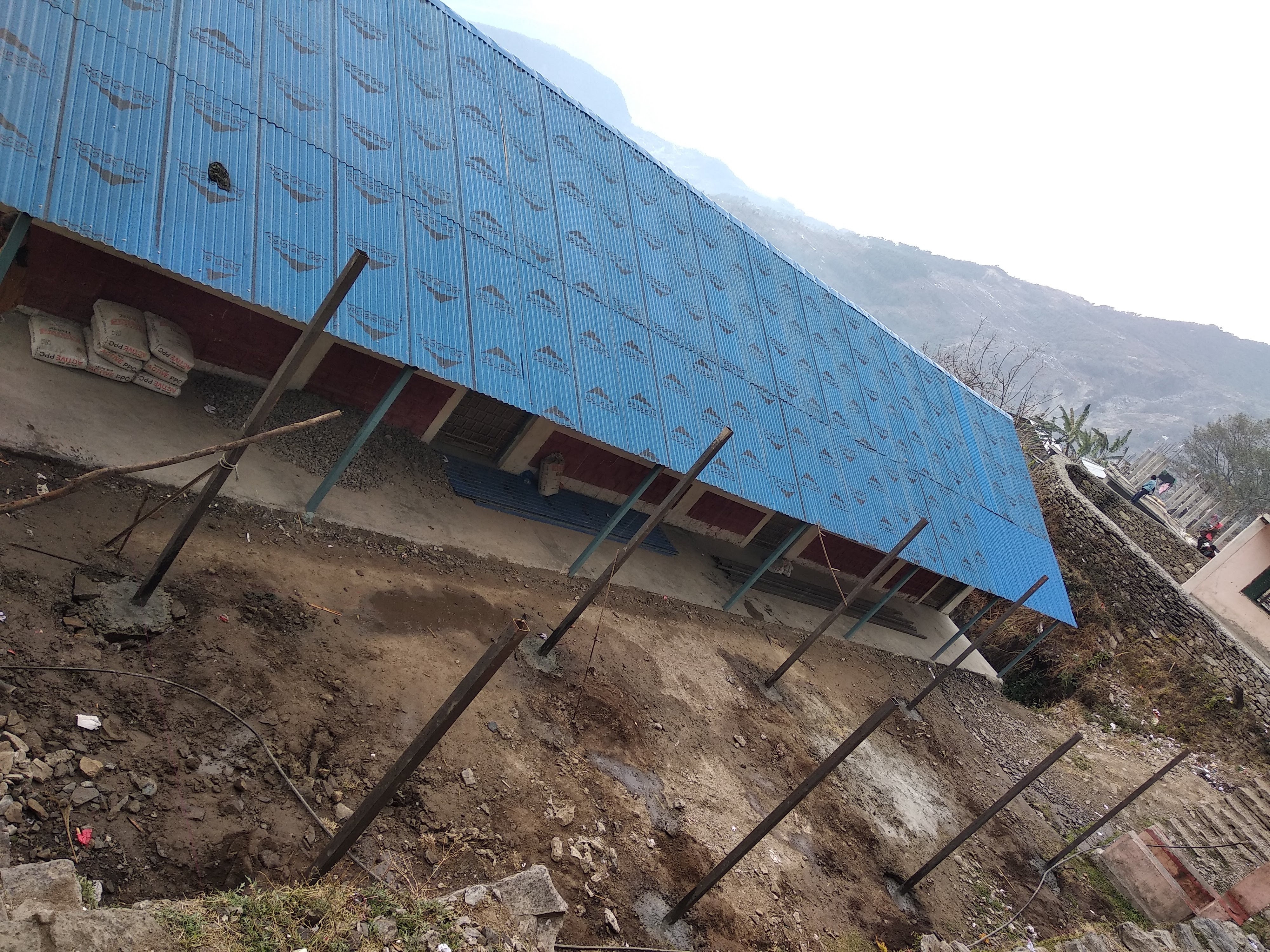
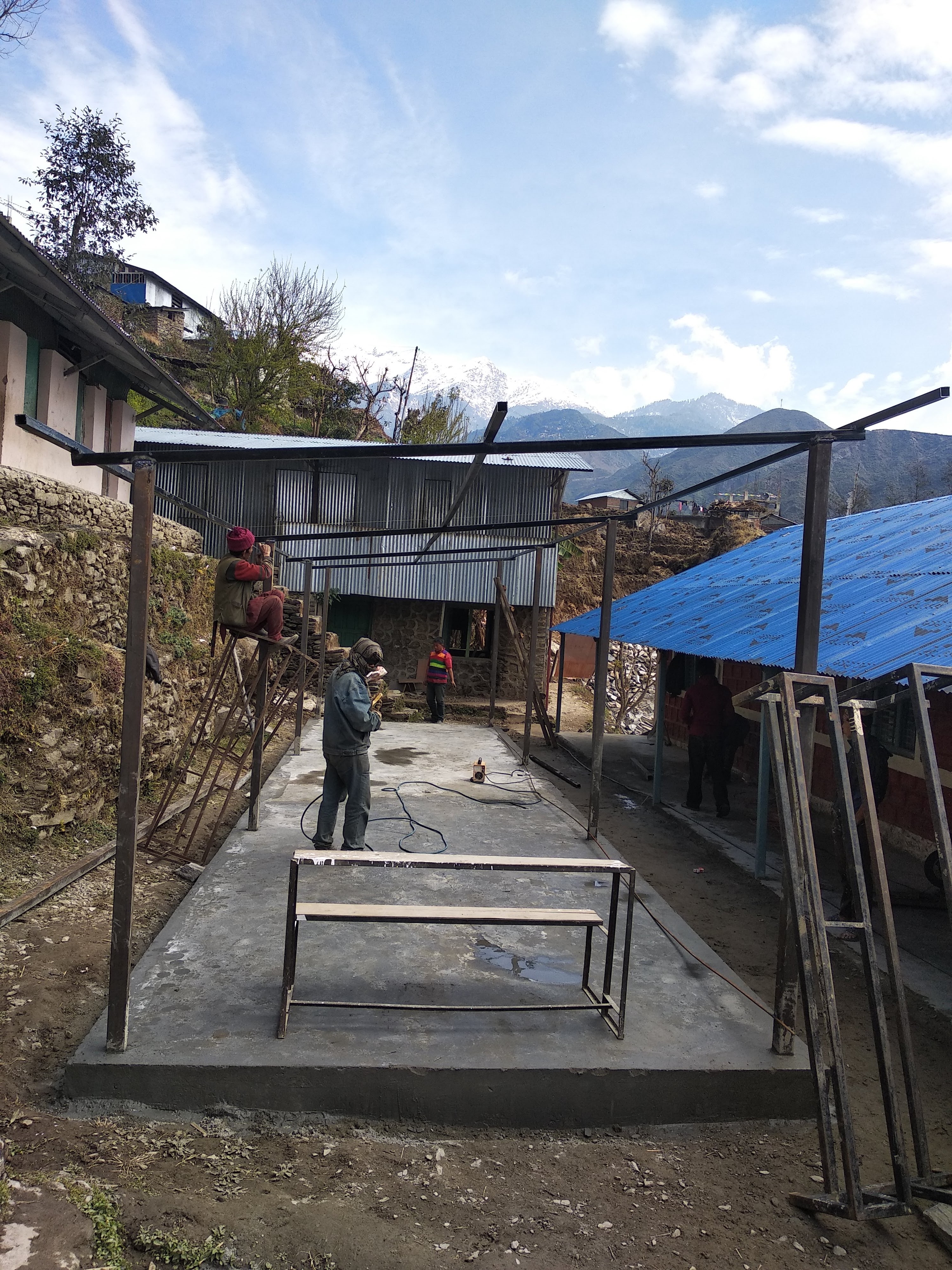
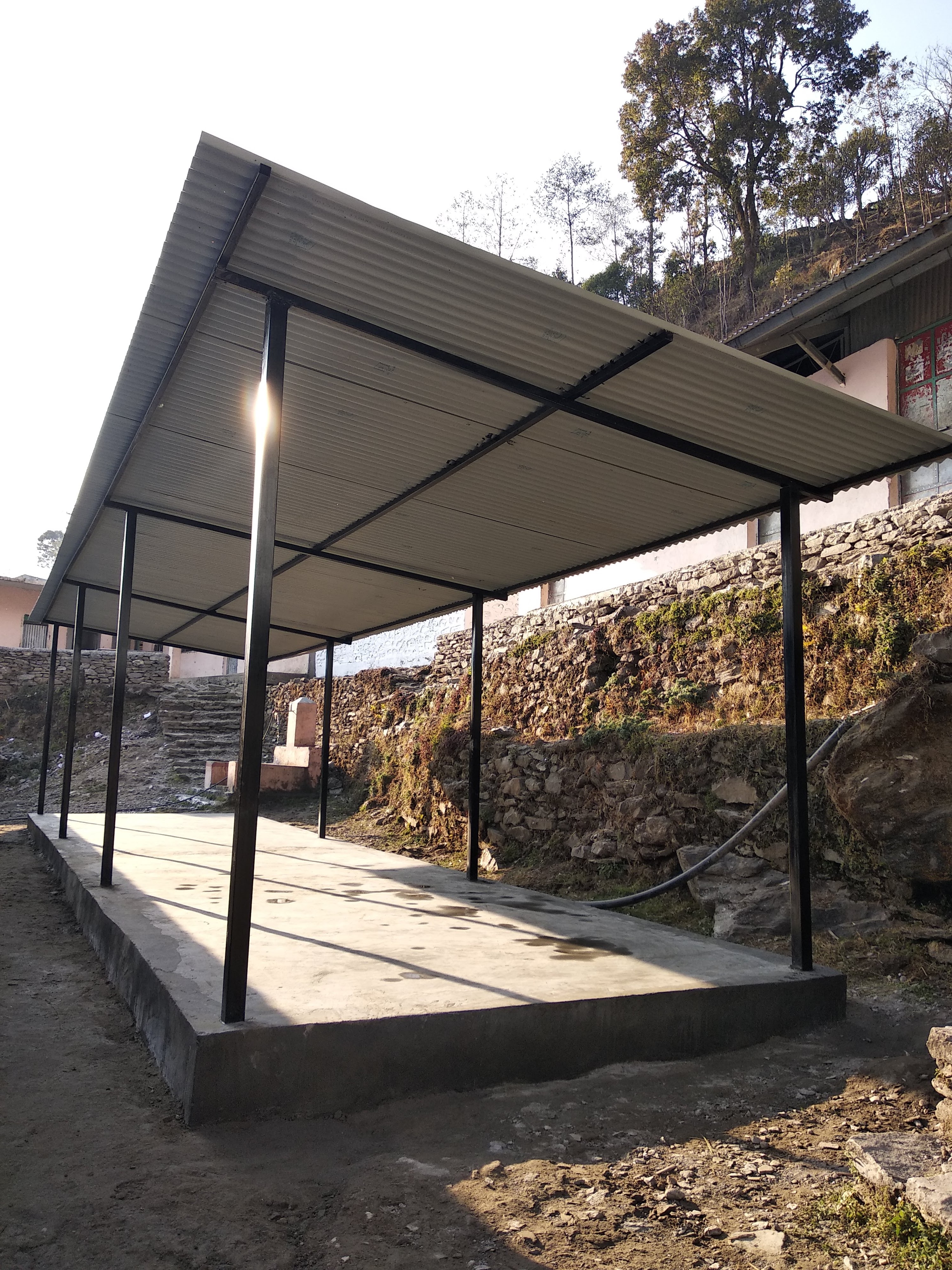
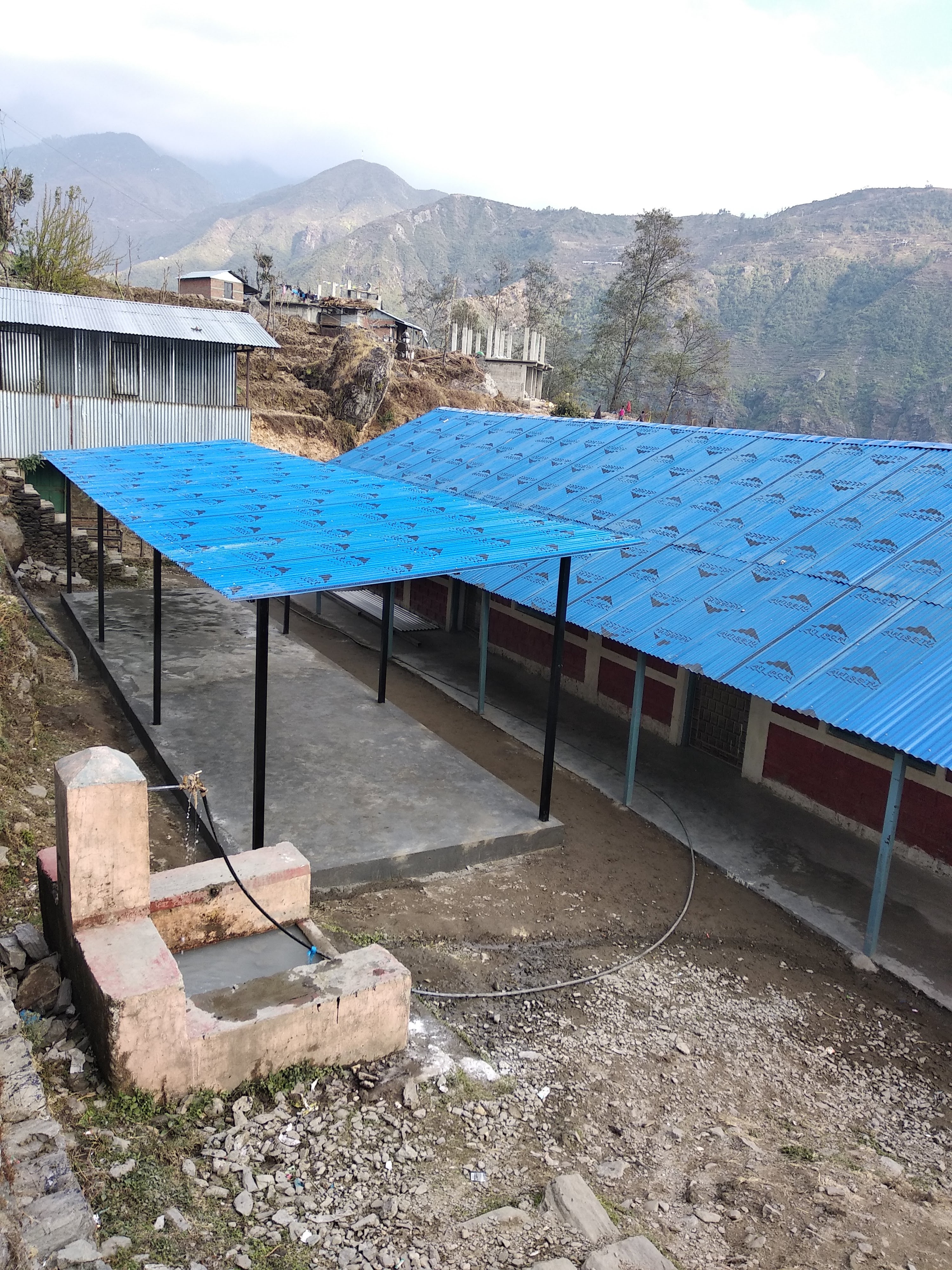
The build sequence shows how delivery was tracked through visible milestones, from initial setup through a usable, handed-off space.
04 · Rasuwa · Hand off for use
Delivery is not complete until the solution reaches its users.
During a 15-day on-site delivery period, I coordinated vendors, labor teams, material logistics, construction monitoring, and 100+ feedback interviews with residents and volunteers.
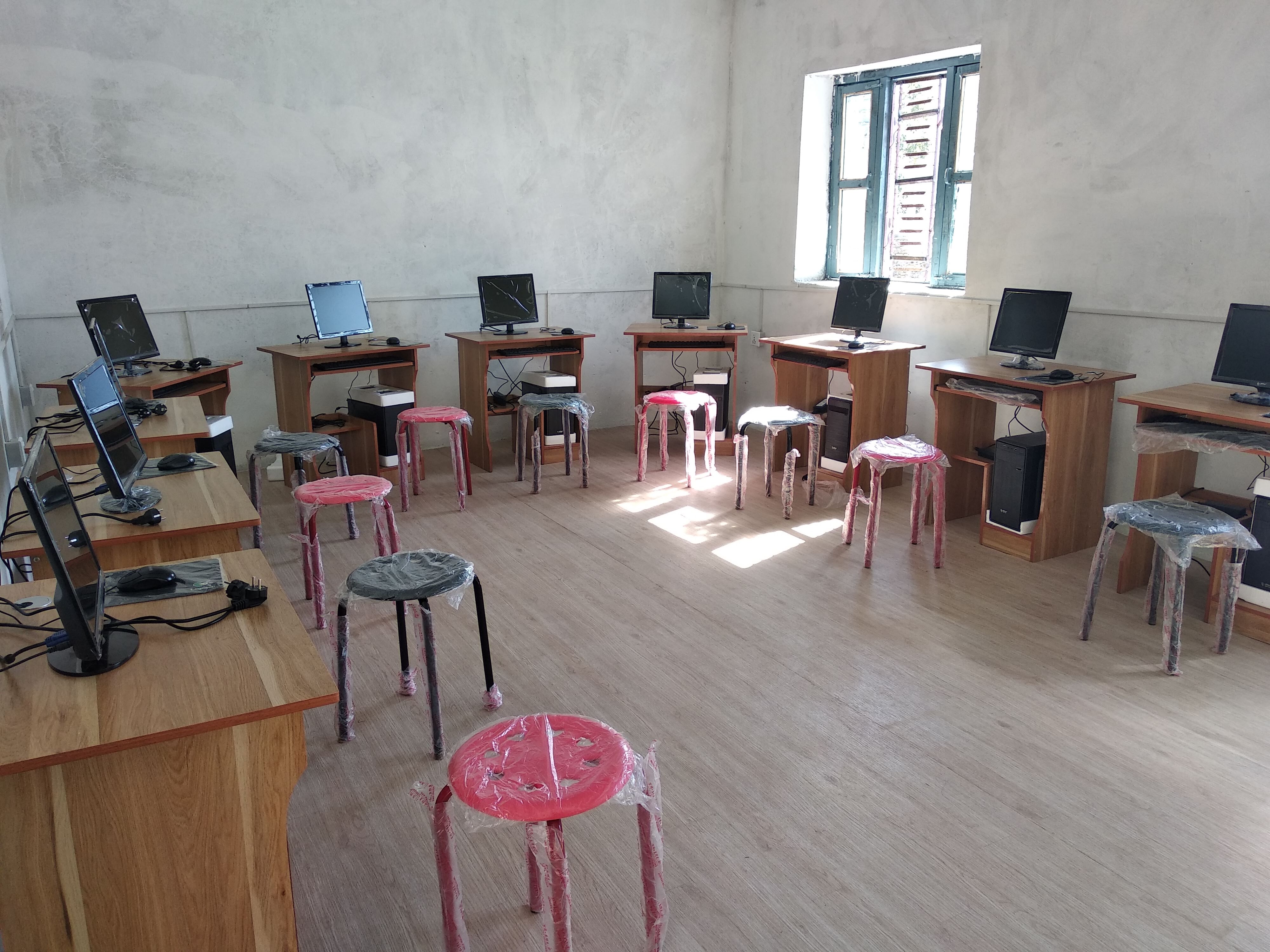
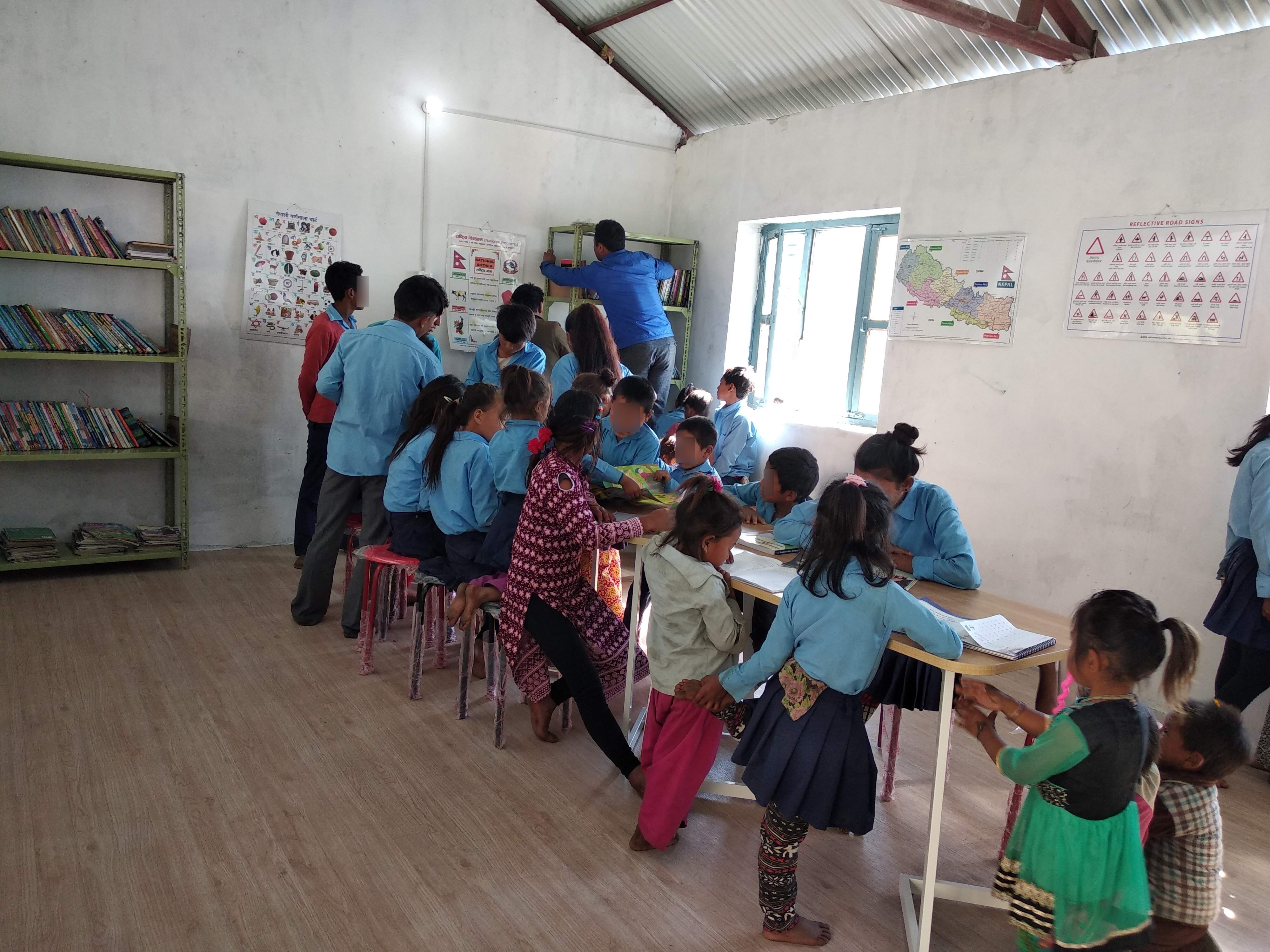
A handoff is meaningful when people use it
Delivery is not complete when construction ends. Seeing students actively use the space provided an early signal that the solution had reached its intended users.
05 · What transfers to product
This work developed operating skills relevant to product delivery: define, align, execute, and learn.
The outcome was community infrastructure rather than software, but many of the operating disciplines transfer directly: understand user needs, define feasible scope, align stakeholders, manage dependencies and trade-offs, and verify that the solution reaches its intended users.
Define
Make scope feasible
Translate needs and constraints into an achievable delivery plan.
Align
Build shared commitment
Bring schools, sponsors, suppliers, volunteers, and local partners around the plan.
Execute
Manage delivery
Coordinate resources, dependencies, logistics, and issues.
Learn
Validate use
Gather feedback and verify that the delivered solution reaches and works for its intended users.